In our previous sections, we have discussed all about organic ways to grow your business digitally using SEO, content marketing, and social media marketing.
In this section, we are going to cover one of the key components of organic digital marketing techniques, known as email marketing.
It has been widely popular among marketing gurus and widely covered in their blogs and videos. Yet many businesses often ignore it. If you are one of those businesses, don’t worry. After reading this guide on email marketing, we guarantee that you will start doing it right away without further thinking.
Here’s everything you need to know about email marketing.
What is Email Marketing?
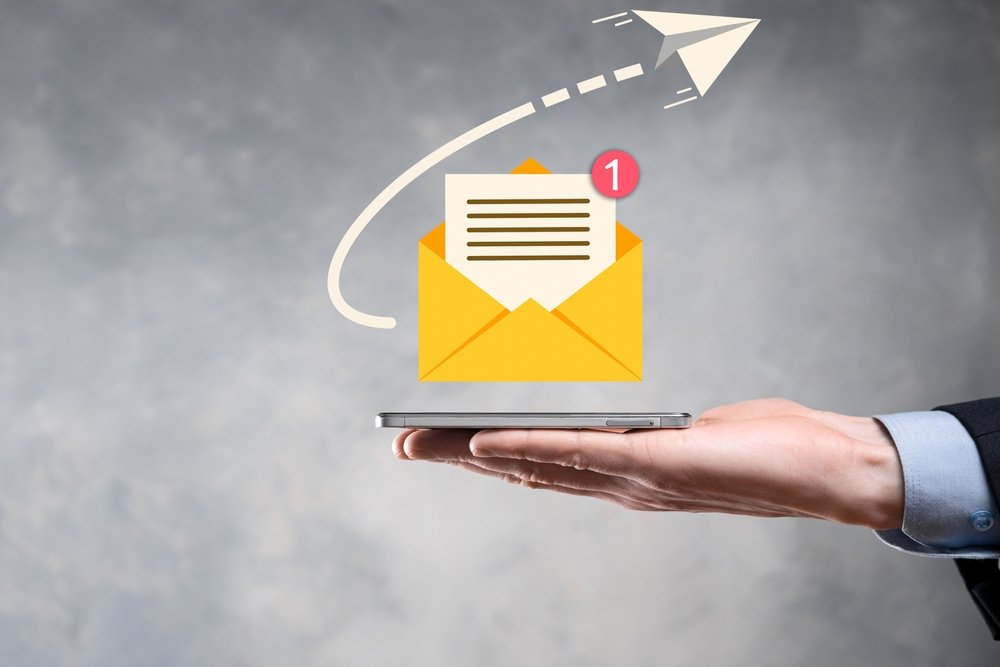
Email marketing is the direct message that you send to your potential and repeat customers. The objective is to promote products and services that have recently been added to your stock or are being offered for discount. The email is sent directly to the recipient with the latest offerings, news, and updates, along with a call to action.
“Email marketing is one of the most cost-effective direct marketing channels out there, delivering an average return of $36 for every $1 spent. Even more impressive, it is projected to grow into a $17.9 billion industry by 2027, showing just how powerful and reliable this channel has become.”
The core purpose of email marketing is to:
Helps in Building Relationships: One of the core reasons to utilize email marketing in your digital marketing campaign is to help build relationships with the users. From collecting the contact details to nurturing them till they reach the bottom of the funnel and convert.
Get Contact Details for Further Collaboration: Email marketing is done by collecting the contact details of the visitor. A visitor decides to subscribe to a particular website to get the latest information and offerings. Once the company or brand gets the details, it can approach them directly to convert them into paying customers.
Educating Existing and Potential Customers: The key objectives of email marketing are to educate existing and potential customers. Sending them direct mail to their personal inbox keeps the connection strong. Especially when it comes to the digital age, where noise is much more than buzz, staying alive and connected to the customers is the core of building a strong brand identity.
Boost Brand Awareness: There are several ways people get to know about the offerings of your competitors. Sending them emails regularly ensures your brand is not left out in the wilderness.
Why is Email Marketing Important for Small and Large Businesses?
Email marketing is the best digital marketing strategy that offers a high ROI as much as 3600%
Compared to paid advertisement or SEO, you need a lot of investment and require patience. Even if the results are positive, the ROI might not be as high as email marketing.
So here are some reasons that small businesses can invest in email marketing campaigns and reap the benefits.
Budget Friendly and Higher Return
Small businesses and startups are often faced with money problems. They have a limited budget and can’t afford something mammoth. However, email marketing is not the elephant in the room because it is budget-friendly and offer high return on investment as much as $37 for every $1 spent.
Personalized Communication
Personalization makes consumers feel understood, drives higher engagement, loyalty, and conversions. The emails are sent directly to the recipient based on purchase history, behavior, and interest.
Customer Retention and Loyalty
Emails sent at regular intervals without bombarding the mailboxes lead to developing trust in the minds of customers. Moreover, it can be helpful in generating sales recurrently, resulting in more sales and increased revenue.
Data Driven Analytics
Email marketing isn’t about guesswork and pulling data out of the air. Rather, it allows small businesses to track open and click-through rates and conversions. The data can be used to amend strategies, resulting in better output.
Scalability and Automation
A wide range of email marketing tools allows automation of tasks such as reminding customers about abandoned carts, sending emails on a scheduled time and date, and many more.
What Types of Email Marketing Campaigns Should Businesses Use?
Email marketing is not just about informing customers about the new product offerings and latest happenings. If you are just starting a new email campaign as a small business, here are the types of email marketing campaigns you should incorporate.
Promotional Emails
Promotional emails are sent to recipients’ inboxes when the company is offering some kind of discounts or giveaways. These promotional emails are largely seen during shopping and holiday seasons such as Black Friday, Cyber Monday, Christmas, New Year, and Easter.
The objective is to inform customers about the offers that may end soon. The urgency leads to sales, resulting in more sales and revenue.
Event invitations
Brands conduct different events throughout the year to collaborate with businesses and customers. The events are organized on a large scale in a hotel. An event invitation is sent to the customers directly in their inboxes to inform them about the event and invite them.
Welcome Emails
Welcome emails are sent to the new subscribers in a series to help them know more about the brand. These emails are usually sent right after the customer subscribes or makes their first purchase. The purpose is to create a connection with the subscriber and engage them through valuable information and offerings.
Upsell & Cross-Sell Emails
Customers normally try to buy products from one place. However, sometimes they may miss something that complements the purchase. For instance, a customer who has purchased a shaving razor might also be interested in getting a shaving foam or an electric trimmer.
The purpose of these emails is to provide them ease by offering them all things in a single email, which results in a sale.
Newsletter Campaigns
Newsletter campaigns are effective for keeping in touch with the customers on a regular basis. They can be sent on a weekly, monthly, or quarterly basis to share something new and exciting. However, too many newsletter emails can lead to customers leaving your email list.
Lead Nurturing Emails
Lead nurturing emails are ideal for educating customers from creating the need to nurturing them until they reach the bottom of the funnel and finally convert. The main objective is to provide valuable and insightful information that helps them at every stage, from addressing their pain points to getting the solution for their problems.
Survey Emails
Improvement in the current offerings, whether it be in the form of a product or a service, comes with constant improvement. However, to get the best opinion, customers are your best touchpoint. Their opinions and feedback matter more than a random survey from random people.
Survey emails are sent to the customers who have already purchased something. To encourage customers to participate in the survey, something is offered as a giveaway.
Difference between Email Marketing and Email Marketing Automation?
Business owners are looking for easy ways to get things done without any extra effort. Especially when it comes to monotonous tasks, the interest is extremely high. So far, we have discussed email marketing, types, importance, and much more.
But did you know that you can save plenty of time by automating your email campaigns? First, let’s briefly take a look at what email marketing automation is.
What is Email Marketing Automation?
Email marketing automation enables you to deliver the right message to the right audience at the right time, without manual effort, by using automation tools to send personalized, targeted emails automatically.
The purpose is to save time and effort. Once the email marketing campaign is automated, there is no need to worry at all about the delivery of the message. The tool will automatically send the messages to the relevant customers.
Key benefits of Email Marketing Automation include:
- Helps in sending the right message at the right time
- Eliminates repetitive tasks and saves time
- Timely communication and maintaining a consistent voice and messaging
- Track analytics such as open rates, conversions, and customer behavior
- Helps refine campaign through data-driven decisions
Email Marketing VS Email Marketing Automation: What’s the Difference?
| Aspect | Email Marketing | Email Marketing Automation |
| Definition | Sending planned email campaigns to a list | Automatically sending emails based on user actions or rules |
| Purpose | Promotions, newsletters, announcements | Nurturing, follow-ups, onboarding, retention |
| Work Effort | Needs manual setup every time | Set once, runs continuously |
| Personalization | Limited (name, basic segments) | High (behavior, interests, actions) |
| Timing | Manual or scheduled (you decide when) | Triggered automatically (user behavior or time-based) |

Common Email Marketing Mistakes Businesses Make
Email marketing can drive growth tenfold, but not when you commit these grave mistakes. Here’s a look at some of the common email marketing mistakes often businesses commit.
Sending Emails to Inactive Subscribers
The email list is full of active and inactive subscribers. The problem isn’t with the active ones, but the inactive ones. Instead of kicking them out of your list, send them a re-opt-in or reactivation campaign.
Writing Poor Subject Lines
The importance of writing a captivating subject line is the key to a successful open rate. A lot of marketers don’t pay heed to it, which leads to unopened emails and a waste of effort and time. Make sure to write that engages the recipient in the first instance.
No Call to Action in the Email
What’s worse than not including a call to action in your email? A lot of marketers often ignore the importance of adding a call to action. Research has found that emails with a CTA can increase clicks by 371% and sales by 1617%.
Bombarding Emails with Promotions
One of the turnoffs for subscribers is the bombardment of emails with promotions and offers. It either leads to opting out of the list or ignoring the emails, even if there is something useful for them.
Ignoring A/B Testing
One of the important elements of email marketing is testing the campaigns with different variants, known as A/B testing. The purpose is to see which variant got more clicks and conversions. Moreover, it is also helpful in determining the behavior of subscribers.
Best Email Marketing Tools for Growing Businesses
Email marketing tools are available in a wide variety with different pricing, features, and pros and cons. Here is a list of the best tools for email marketing for small businesses and big enterprises.
| Tool | Key Features | Starting Price | Why is it Best? |
| Mailchimp | Drag-and-drop, AI content, analytics | ~$13/mo | Very intuitive, lots of integrations |
| HubSpot Email Marketing | Email, CRM, advanced analytics | ~$20+/mo | Integrated with full marketing suite |
| Zoho Campaigns | CRM integration, automation | ~$3+/mo | Very cost-effective |
| ActiveCampaign | Deep automation, CRM integration | ~$20+/mo | Powerful automation, CRM tools |
| Constant Contact | Templates, list tools, tracking | ~$12+/mo | Easy to start |
What KPIs should Businesses Track in Email Marketing Campaigns?
Email marketing isn’t something you can set and forget. You can always utilize it to make things better for your business, such as customer engagement and retention, increased sales, and web traffic. Some of the key KPIs every business must track when setting up an email marketing campaign.
Delivery Rate
Sending an email and getting it delivered to your subscribers’ inboxes instead of the spam folder is the first KPI you must track. It does not matter how compelling the email is unless it reaches the right place, i.e., the inboxes of the subscribers.
Click-through Rate (CTR)
Click-through rate (CTR) is the percentage of email recipients who opened your email and clicked on one of the links provided in the email. It helps marketers to understand the effectiveness of the email and product/service being offered.
Bounce Rate
Bounce rate in email marketing is the percentage of emails that fail to reach recipients’ inboxes, either due to invalid addresses, server issues, or being blocked. A high bounce rate signals poor list quality or deliverability problems and can harm your sender reputation.
Rate of Unsubscription
The rate of unsubscription is an alarming sign for marketers. Losing a few subscribers isn’t a wake-up call. Instead, if you see the unsubscription rate at a higher rate than ever before, make sure to ask what the reason is. Is our product/service still in demand, or has it just lost its charm? It could also be due to the bombardment of emails, which annoys subscribers without a doubt.
Web Traffic and Conversions
Email marketing is all about getting people to your website, turning clicks into conversions, and ultimately driving sales. Almost every campaign points customers to a landing page or site where the real action happens.
What Role Does AI Play in Modern Email Marketing?
AI is playing a pivotal role in all key areas of digital marketing, including SEO, content, social, and email marketing. Check out what role AI plays in email marketing.
Personalization: AI helps enhance email marketing by analyzing the customers’ past data and delivering personalized and relevant content rather than a generic one.
Predictive Analytics & Segmentation: AI helps marketers to predict future customer behavior and categorize them into different groups based on their interests.
Automated A/B Testing: AI is helpful in predicting which version of the email is best by analyzing content, elements, and subject lines.
Performance Optimization: AI allows real-time insights to help marketers tailor their campaigns to improve results